
One of the most dangerous habits in trading is revenge trading. Many beginners ask, why revenge trading happens even when they know it is wrong. The answer lies in human psychology, not market strategy.
Revenge trading happens when a trader takes emotional trades immediately after a loss, trying to recover money quickly. Instead of following rules, the trader reacts emotionally. This usually leads to bigger losses and deeper frustration.
In this article, we will clearly explain why revenge trading happens, what triggers it, and how beginners can control it.

What Is Revenge Trading?
Revenge trading is when a trader:
- Takes another trade immediately after a loss
- Increases position size emotionally
- Ignores stop loss
- Breaks trading rules
The purpose is not logical analysis. The goal is to “get the money back.”
This emotional reaction converts structured trading into impulsive gambling.
Why Revenge Trading Happens (Core Psychological Reasons)
Understanding why revenge trading happens requires understanding emotional reactions to financial loss.
1. Emotional Pain of Losing Money
Money loss triggers strong emotions such as:
- Anger
- Frustration
- Disappointment
- Self-doubt
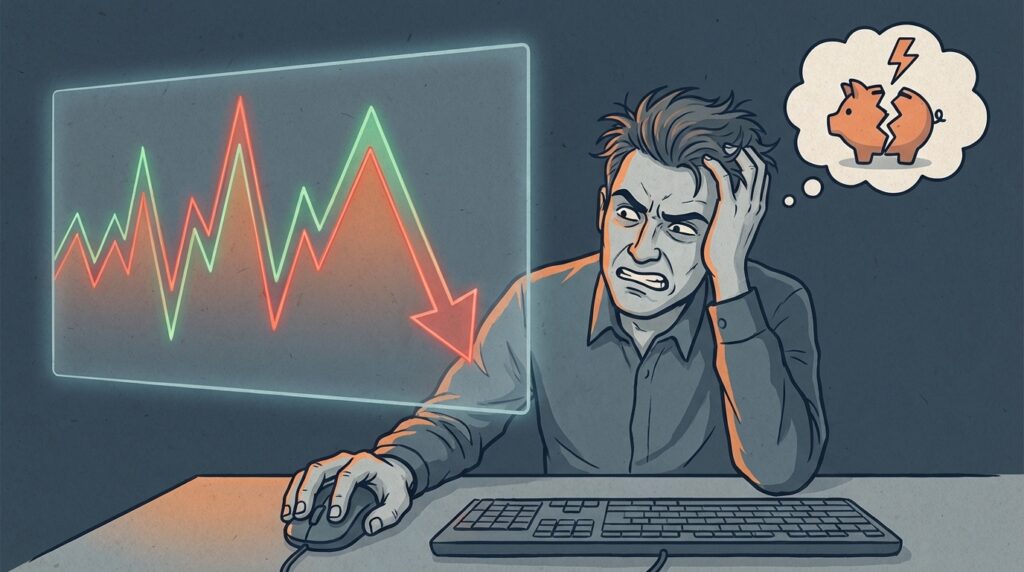
For many beginners, losing money feels like a personal failure. Instead of accepting the loss as part of trading, they try to fix it immediately.
The market becomes an opponent rather than a probability system.
2. Desire to Recover Quickly
After losing money, a common thought is:
“I just need one good trade to recover this loss.”
This thinking creates urgency.
The trader:
- Enters quickly
- Skips confirmation
- Ignores setup quality
This urgency increases risk and reduces logical decision-making.
3. Ego and the Need to Be Right
Ego plays a major role in revenge trading.
Instead of thinking:
- “The trade failed.”
Many traders think:
- “I cannot be wrong.”
This ego-driven mindset leads to:
- Holding losing trades
- Doubling position size
- Entering opposite trades impulsively
The trader tries to prove something to the market.
4. Fear of Missing Opportunity
After a loss, traders fear:
- Missing the next move
- Watching others profit
- Falling behind
This fear creates emotional pressure to act immediately.
When logic disappears, impulse takes control.
5. Overconfidence From Past Recovery
If a trader once recovered a loss successfully, they may believe:
“I can always recover.”
This false confidence leads to:
- Bigger risks
- Aggressive entries
- Ignoring risk management
Markets do not reward emotional aggression.
Why Revenge Trading Is So Dangerous
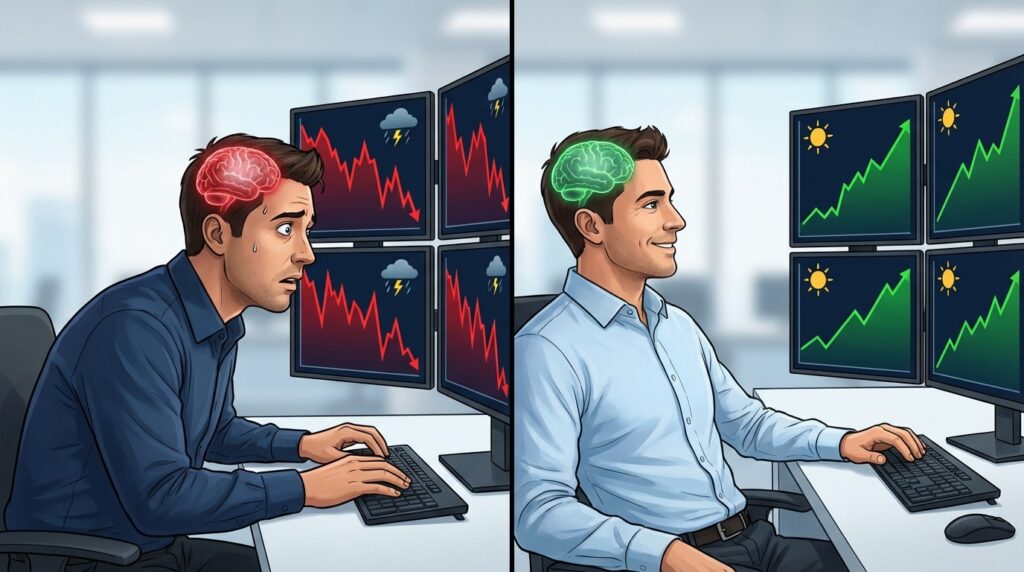
Revenge trading damages accounts quickly because:
1. Position Size Increases
After a ₹1,000 loss, traders may double position size to recover quickly. If the next trade fails, loss multiplies.
2. Stop Loss Is Ignored
Emotionally driven trades often remove stop loss, increasing risk exposure.
3. Overtrading Happens
Instead of waiting for quality setups, traders take:
- Random trades
- Low-probability trades
- Too many trades
Overtrading increases brokerage, stress, and mistakes.
The Psychological Loop of Revenge Trading
Revenge trading creates a loop:
Loss → Emotional reaction → Impulsive trade → Bigger loss → More emotion → More impulsive trades
This loop continues until capital or confidence is damaged.
Breaking this cycle requires awareness and discipline.
Why Professional Traders Rarely Revenge Trade
Professional traders understand:
- Loss is a business cost
- No strategy wins 100%
- Risk must be controlled
- Emotional stability is critical
They use:
- Daily loss limits
- Fixed position size
- Structured trading plans
Professionals think in probabilities, not emotions.
How to Control Revenge Trading
Understanding why revenge trading happens is the first step. Controlling it is the next.
1. Set a Daily Loss Limit
Example:
- Stop trading after 2% capital loss
- No exceptions
This prevents emotional escalation.
2. Take a Break After a Loss
After a losing trade:
- Step away for 20–30 minutes
- Avoid immediate re-entry
- Reset emotionally
Distance reduces impulse.
3. Maintain Fixed Risk Per Trade
Never increase risk after a loss.
Position size should remain constant based on pre-defined rules.
4. Keep a Trading Journal
Write down:
- Why trade was taken
- Emotional state
- Whether rules were followed
Reviewing emotional mistakes reduces repetition.
5. Accept Loss as Normal
Even experienced traders:
- Have losing days
- Face drawdowns
- Experience uncertainty
Acceptance reduces emotional reaction.
Reality Check for Beginners
Revenge trading:
- Does not speed recovery
- Increases losses
- Damages discipline
- Creates burnout
The market does not remember your previous trade.
Each trade must be independent.
Final Conclusion
Understanding why revenge trading happens helps traders break the emotional cycle. Revenge trading is driven by ego, urgency, fear, and emotional pain—not by logic.
Successful trading depends more on emotional control than strategy. Accept losses calmly, protect capital strictly, and follow your rules consistently. Discipline prevents revenge trading, and discipline builds long-term success.