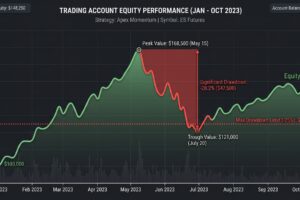
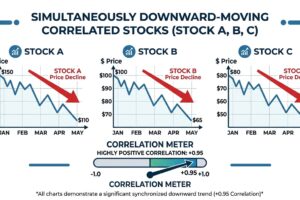
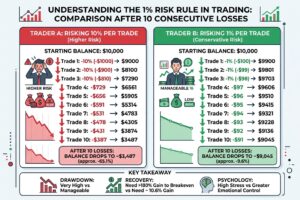
One of the biggest reasons traders lose money consistently is ignoring stop loss. Many beginners believe that stop loss is optional, or that they can manually exit trades. In reality, the disadvantages of not using stop loss are severe and often irreversible.
Stop loss is not a limitation. It is protection. This article explains in simple English why not using stop loss is dangerous, how it damages trading accounts, and why professional traders never trade without it.

What Is Stop Loss?
A stop loss is a predefined price level where a trade is automatically closed to limit losses.
Purpose of stop loss:
- Protect capital
- Control risk
- Prevent emotional decisions
- Ensure long-term survival
Stop loss is not about avoiding losses. It is about limiting losses.
Why Beginners Avoid Stop Loss
Before understanding the disadvantages, it is important to know why beginners avoid stop loss.
Common reasons:
- Fear of getting stopped out
- Hope that price will reverse
- Overconfidence
- Emotional attachment to trades
- Lack of risk management knowledge
These reasons are psychological, not logical.
Disadvantages of Not Using Stop Loss
Let’s understand the real disadvantages of not using stop loss, based on real trading behavior.
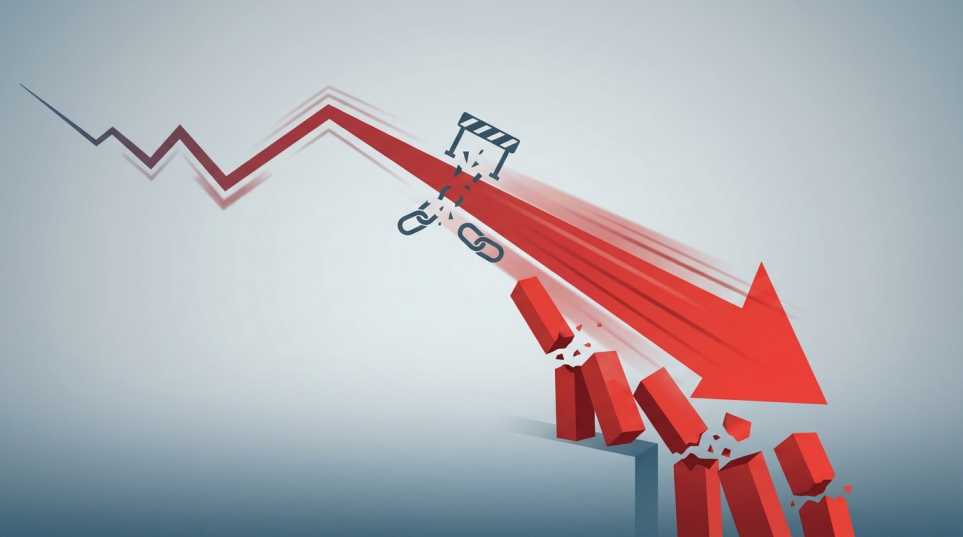
1. Small Loss Turns Into Big Loss
Without stop loss:
- A small loss keeps increasing
- Trader keeps hoping for reversal
- Loss becomes uncontrollable
One big loss can erase profits from many successful trades.
Professional traders accept small losses. Beginners hold big losses.
2. Emotional Stress and Panic Decisions
Trading without stop loss creates:
- Fear
- Anxiety
- Stress
- Panic
When price moves against the trade:
- Heart rate increases
- Logic disappears
- Decisions become emotional
This emotional pressure leads to poor decisions and repeated mistakes.
3. Account Damage and Capital Destruction
Without stop loss:
- One trade can damage entire account
- Capital recovery becomes difficult
- Confidence is destroyed
Capital protection is more important than profit. Without stop loss, capital is always at risk.
4. Loss of Discipline and Bad Trading Habits
Not using stop loss builds bad habits:
- Ignoring rules
- Holding losing trades
- Averaging losses
- Breaking trading plans
Once discipline is lost, consistency becomes impossible.
5. No Fixed Risk–Reward Structure
Stop loss defines risk.
Without stop loss:
- Risk is unknown
- Reward cannot be calculated
- Risk–reward ratio is meaningless
Trading without defined risk is gambling, not trading.
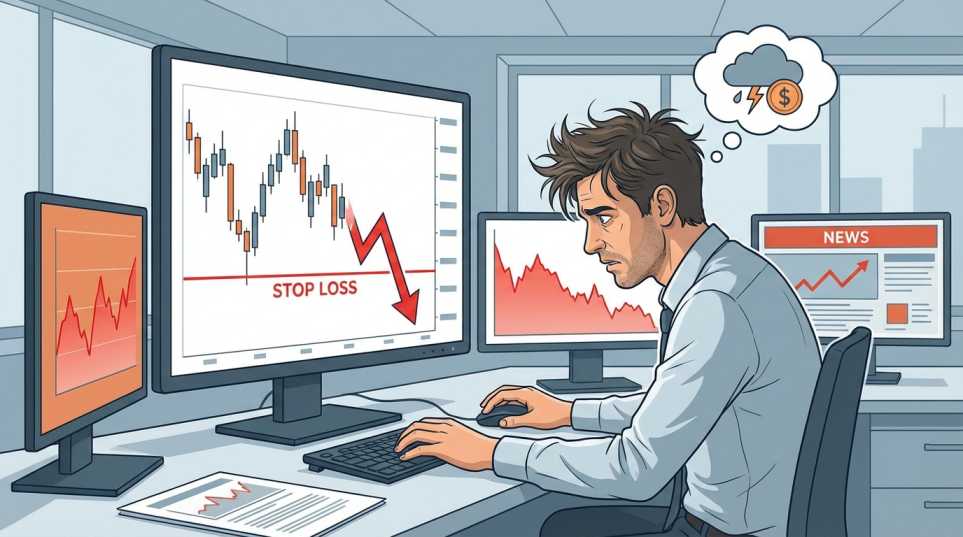
6. Margin Calls and Forced Square-Off
In intraday and leveraged trading:
- Brokers automatically square off positions
- Margin calls occur
- Losses become larger than expected
Traders who avoid stop loss lose control of their trades.
7. Overconfidence After Few Winning Trades
Some traders skip stop loss after initial success.
This creates:
- Overconfidence
- Larger position sizes
- Bigger losses later
Markets punish overconfidence severely.
8. Mental Fatigue and Trading Burnout
Holding losing trades without stop loss causes:
- Mental exhaustion
- Sleepless nights
- Constant chart watching
Over time, traders lose motivation and confidence.
Why Professional Traders Always Use Stop Loss
Professional traders understand:
- Losses are unavoidable
- Capital protection is priority
- Survival comes before profit
They use stop loss because:
- One trade never destroys their account
- Emotions are controlled
- Trading becomes systematic
Stop Loss Is Not the Problem
Many beginners blame stop loss for losses.
Reality:
- Bad entries cause losses
- Poor analysis causes losses
- Stop loss only exposes mistakes
Removing stop loss does not fix mistakes—it magnifies them.
For official investor protection guidelines and trading awareness, visit the official SEBI website.
Types of Stop Loss (Brief Overview)
- Fixed stop loss
- Technical stop loss (below support / above resistance)
- Trailing stop loss
All types aim to control risk, not avoid losses.
How Beginners Should Use Stop Loss Correctly
Best practices:
- Always define stop loss before entry
- Risk only 1–2% per trade
- Never move stop loss emotionally
- Accept stop loss as business cost
Consistency matters more than perfection.
Is Trading Possible Without Stop Loss?
Technically yes, practically no.
Trading without stop loss:
- Works temporarily
- Fails eventually
- Destroys accounts
Every long-term successful trader uses stop loss.
Reality Check for Beginners
Stop loss:
- Does not reduce profit
- Does not make trading harder
- Does not guarantee loss
Stop loss guarantees survival.
Final Conclusion
The disadvantages of not using stop loss are clear and dangerous. Trading without stop loss leads to emotional stress, large losses, poor discipline, and eventual account destruction.
Stop loss is not your enemy. It is your safety belt. If you want to survive and grow in trading, stop loss is non-negotiable.